


Premium Bulk Peptide Supply for USA Laboratory Research
Welcome to Bulk Peptide Supply your trusted, certified peptide supplier based in Oklahoma USA. We deliver high-purity peptides to research institutions, academic laboratories, and commercial biotech firms across the United States. Researchers trust our bulk peptide supply for in vitro testing, cell culture studies, and preclinical development. When you need to buy peptides online with confidence, choose us for transparent COAs, temperature-controlled logistics, and same-business-day dispatch from our Oklahoma distribution hub. Our physical address is 2304 W Hefner Rd #21480 SMB#72181 Oklahoma City, OK 73120. This address guarantees domestic shipping, US compliance, and direct accountability. All product labels state: For laboratory research only. Not for human consumption, clinical diagnosis, or therapeutic use.
Best Selling Products


Uncategorized

Uncategorized
Uncategorized

Uncategorized

Uncategorized
Uncategorized


Uncategorized
Understanding the Basics: What Are Peptides?
Peptides form short chains of amino acids linked by amide bonds called peptide bonds. Each peptide typically contains between two and fifty amino acid residues, making these molecules smaller than full proteins yet highly specific in biological signaling. Natural peptides act as hormones, neurotransmitters, growth factors, and antimicrobial agents. For laboratory researchers, synthetic peptides replicate these natural sequences, enabling controlled studies of receptor binding, enzyme inhibition, cellular proliferation, and intracellular signaling cascades. Peptide synthesis in a research setting uses solid-phase methods, or SPPS, to achieve sequences with greater than 98 percent purity. High-performance liquid chromatography (HPLC) and mass spectrometry (MS) verify this purity. This precision allows scientists to isolate molecular mechanisms without the confounding variables present in crude biological extracts.
Mechanisms of Action: How Do Peptides Work?
Synthetic peptides exert their effects in laboratory models through specific molecular interactions. Most peptides function as ligands that bind to cell-surface G protein-coupled receptors (GPCRs), receptor tyrosine kinases, or integrins. Upon binding, they trigger intracellular second messenger systems such as cAMP, IP3 or DAG, and MAPK or ERK pathways. For example, a peptide mimicking a growth factor induces phosphorylation cascades in cultured fibroblasts. An antimicrobial peptide disrupts bacterial membrane integrity via pore formation. In vitro assays using peptide libraries help researchers map structure-activity relationships (SAR) by modifying amino acid side chains and measuring changes in binding affinity (IC50 or EC50). Some peptides act as enzyme inhibitors, competitively blocking active sites of proteases or kinases. Other peptides serve as cell-penetrating peptides (CPPs) to deliver cargo into the cytoplasm. Researchers study all mechanisms using bulk peptides from Bulk Peptide Supply strictly in controlled laboratory environments, never in humans.

Uses and Benefits of Peptides in Scientific Research
Peptides serve as indispensable tools across dozens of research disciplines. Key applications include the following:
-
Tissue repair models: Researchers study angiogenesis, collagen synthesis, and wound healing in rodent excisional or incisional models.
-
Metabolic regulation: Scientists investigate glucose homeostasis, insulin signaling, and lipid metabolism using peptide hormones such as GLP-1 analogues in isolated pancreatic islets.
-
Cellular aging: Laboratories use telomerase-derived peptides and senescence markers in primary human fibroblast cultures.
-
Muscle physiology: Researchers measure protein synthesis rates and satellite cell activation in myotube cultures.
-
Neuroscience: Scientists examine neuropeptide signaling in synaptic plasticity, pain perception using opioid peptides, and neuroprotection.
-
Immunology: Laboratories employ antigenic peptides for T-cell activation assays and vaccine development research.
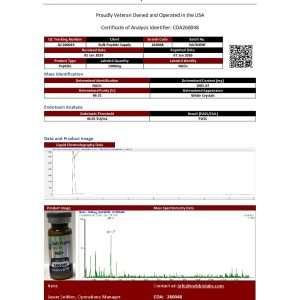
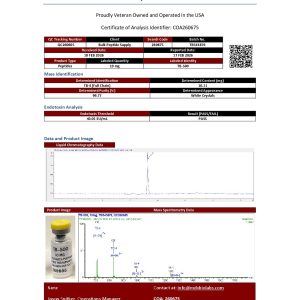
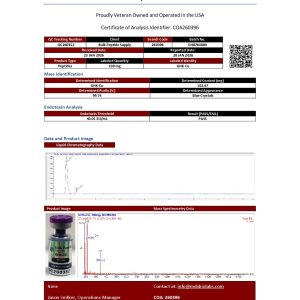
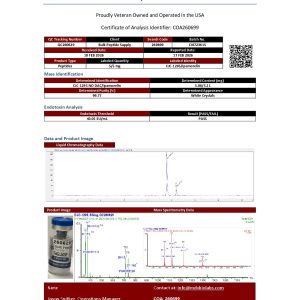
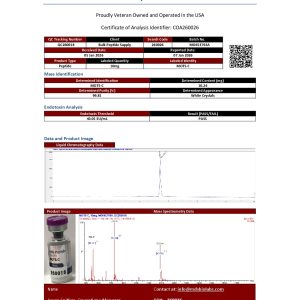
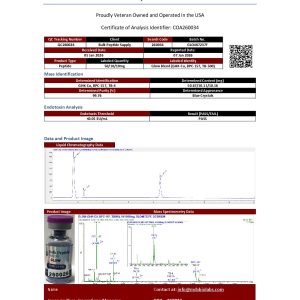
The primary benefit of using synthetic peptides over recombinant proteins is batch-to-batch consistency. Each vial of wholesale peptides from Bulk Peptide Supply includes a lot-specific COA with HPLC chromatogram and MS spectrum. This documentation allows researchers to replicate results across multiple experiments.
Proper Laboratory Handling: How to Store Peptides Correctly
Peptide stability depends entirely on storage conditions. Lyophilized or freeze-dried peptides arrive as white powders. For short-term storage of days to weeks, keep vials at 4 degrees Celsius, which is standard laboratory refrigeration. For long-term preservation of months to years, store vials at minus 20 degrees Celsius or minus 80 degrees Celsius, which is an ultra-low freezer. Follow these critical steps to prevent degradation:
-
Avoid repetitive freeze-thaw cycles. Aliquot reconstituted peptides into single-use microcentrifuge tubes. Each thaw degrades amide bonds via hydrolysis.
-
Protect vials from UV light. Peptides containing tryptophan, tyrosine, or phenylalanine are photosensitive. Store these peptides in amber vials or foil-wrapped containers.
-
Control humidity. Lyophilized peptides are hygroscopic. Allow vials to reach room temperature before opening to prevent condensation.
-
Follow the correct reconstitution protocol. Use sterile bacteriostatic water or 0.1 percent acetic acid depending on peptide solubility. Work under a Class II laminar flow hood to maintain sterility.
-
Avoid vortexing. Aggressive mixing shears peptides. Gently swirl or pipette up and down.
Following these guidelines preserves greater than 95 percent peptide integrity for 12 to 24 months.
Potential Side Effects, Risks, and Safety Warnings
For laboratory research, side effects refer to experimental confounds and handling hazards. Known laboratory risks include the following:
-
Enzymatic degradation: Proteases in cell culture media can rapidly cleave peptides, leading to false-negative results. Use protease-inhibitor cocktails or stable peptide analogues.
-
Aggregation: Hydrophobic sequences may form insoluble fibrils, skewing dose-response data. Verify solubility in your buffer via dynamic light scattering (DLS).
-
Endotoxin contamination: Low-grade peptides can contain lipopolysaccharide (LPS), triggering TLR4-mediated cytokine release in immune cell assays. Our peptides test at less than 1 EU per mg.
-
Personal protective equipment (PPE): Always wear nitrile gloves, a lab coat, and safety goggles. Some peptides, such as venom-derived ones, are bioactive upon skin contact or inhalation.
-
Disposal: Deactivate peptide solutions with 10 percent bleach before disposal per your institutional chemical hygiene plan.
Explicit warning: These products are NOT for human injection, topical application, or consumption. Any mention of side effects in a human context falls outside our scope.
The Legal Status of Peptides in the USA
Under the Federal Food, Drug, and Cosmetic Act (FDCA), synthetic peptides are legal to purchase, possess, and distribute for laboratory research purposes only. The U.S. FDA regulates peptides only when manufacturers market them as drugs or dietary supplements. Peptides that are not approved as pharmaceuticals fall under DEA purview only if they are structurally related to controlled substances, for example, certain opioid peptides. Most research peptides, including BPC-157, TB-500, and GHRP-2, are not scheduled substances. However, selling peptides for human consumption, such as in peptide therapy clinics without an IND application, violates FDA regulations and can lead to seizure, fines, or prosecution. Bulk Peptide Supply operates entirely within legal boundaries. We verify customer age at 18 years or older, request research affiliation, and never make therapeutic claims. All invoices include the statement: “Intended solely for in-vitro laboratory research.”
Critical Factors to Consider Before You Buy Peptides Online
Not all peptide vendors serve the research community ethically. Before you purchase wholesale peptides or bulk peptides, verify these four factors:
-
Confirm third-party analytical testing. Does the supplier provide HPLC and MS data for every lot? Avoid vendors who show only representative COAs.
-
Check purity minimums. Ninety-eight percent purity works for most assays. For sensitive receptor binding or mass spec applications, require 99 percent or higher.
-
Determine domestic manufacturing versus reshipping. Many USA vendors actually dropship from China with two to four week delays. We stock all bulk peptides in Oklahoma City.
-
Ensure temperature-controlled logistics. Peptides degrade during summer transit. We ship with ice packs and insulated containers for orders over 150 dollars.
Choosing a reliable bulk peptide supply partner saves months of failed experiments.
How to Safely Buy Peptides in the USA for Laboratory Use
The safe purchasing journey involves four steps:
-
Verify corporate registration. Bulk Peptide Supply is a registered business at 2304 W Hefner Rd #21480 SMB#72181 Oklahoma City, OK 73120. We provide our EIN and resale certificates upon request.
-
Review documentation. Every product page includes a downloadable COA with purity percentage, residual solvent analysis, and mass spec fingerprint.
-
Use secure checkout. We accept credit cards and wire transfers via SSL-encrypted payment gateway. We do not operate with cryptocurrency-only policies.
-
Track cold shipping. Orders placed before 12 PM CST ship same day via UPS Next Day Air or FedEx Priority Overnight to all lower 48 states. We also offer international shipping to Canada, the EU, and Japan with customs paperwork labeled “Research peptides for laboratory use only.”
Peptides Price in the USA: Current Market Rates (USD)
Pricing for research peptides varies by sequence length, purity, and quantity. The list below shows reference market rates for high-demand peptides as of the second quarter of 2026.
-
BPC-157: 10 mg retail is 49 dollars, 100 mg bulk is 290 USD, 1 gram wholesale is 1,850 USD.
-
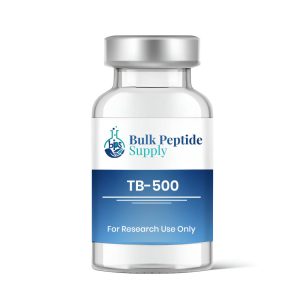
TB-500 (thymosin beta-4): 10 mg retail is 69 dollars, 100 mg bulk is 410 dollars, 1 gram wholesale is 2,600 dollars.
-
Melanotan II: 10 mg retail is 39 dollars, 100 mg bulk is 220 dollars, 1 gram wholesale is 1,400 USD.
-
GHRP-6: 10 mg retail is 44 dollars, 100 mg bulk is 250 dollars, 1 gram wholesale is 1,600 USD.
-
Semaglutide (research): 10 mg retail is 89 dollars, 100 mg bulk is 520 dollars, 1 gram wholesale is 3,200 USD.
Wholesale peptides customers who order more than 500 mg of any single sequence receive additional tiered discounts. University labs with tax-exempt status can email us for academic pricing. Compare our peptides price in the USA against any competitor. We offer the same purity at 20 to 30 percent lower cost due to direct sourcing from US-based GMP-like synthesis facilities.

fast Free Shipping within USA
Get Free Shipping on your orders (with us)
customer service
Our team of experts is always on standby should you need us
returns policy
see our returns policy below
Frequently Asked Questions
Can I legally buy peptides in the USA for research?
Yes. You can legally purchase synthetic peptides for bona fide laboratory research, including in vitro cell culture, biochemical assays, and IACUC-approved animal studies. You do not need a prescription because these products are not marketed as drugs. However, it is illegal to sell or buy peptides for human consumption, including injection, oral use, or topical application. Bulk Peptide Supply enforces research-only compliance.
Where to buy peptides in the USA for commercial or academic research?
For researchers seeking a domestic, transparent, and fast-shipping partner, choose Bulk Peptide Supply at 2304 W Hefner Rd #21480 SMB#72181 Oklahoma City, OK 73120. We manage large-scale wholesale orders from 1 gram to 100 grams per peptide with tiered discounts, lot-matched COAs, and FedEx overnight delivery to every US state. Commercial biotech firms and university labs trust our bulk peptide supply for reproducibility and chain-of-custody documentation.
How do I choose a reliable bulk peptide supply vendor?
A reliable bulk peptide supply vendor provides five things: lot-specific HPLC and MS data, a US physical address and phone support, clear research-only labeling, temperature-controlled shipping, and a positive reputation on research forums such as LabWrench and ResearchGate. Avoid vendors who use Gmail addresses, accept only cryptocurrency, or make human health claims. Bulk Peptide Supply meets all five criteria.
What is the shelf life of wholesale peptides?
Lyophilized wholesale peptides stored at minus 20 degrees Celsius in sealed, desiccated vials remain stable for 24 to 36 months. At 4 degrees Celsius, shelf life is 6 to 12 months. Once you reconstitute peptides in sterile water or buffer, use the solution within 30 days if kept at 4 degrees Celsius with 0.1 percent BSA or protease inhibitors. Never refreeze reconstituted peptides. Each freeze-thaw cycle degrades 5 to 15 percent of peptide mass. Always aliquot before initial freezing.
Bulk Peptide Supply – Oklahoma City, OK. We serve research institutions nationwide with premium peptides for in vitro and preclinical studies only.